Eight Sleep and Oura Ring are the two most advanced sleep-focused devices available โ but they approach sleep improvement from opposite ends. Oura tracks what your body does. Eight Sleep actively changes the environment you sleep in. We tested both at the same time for six weeks.
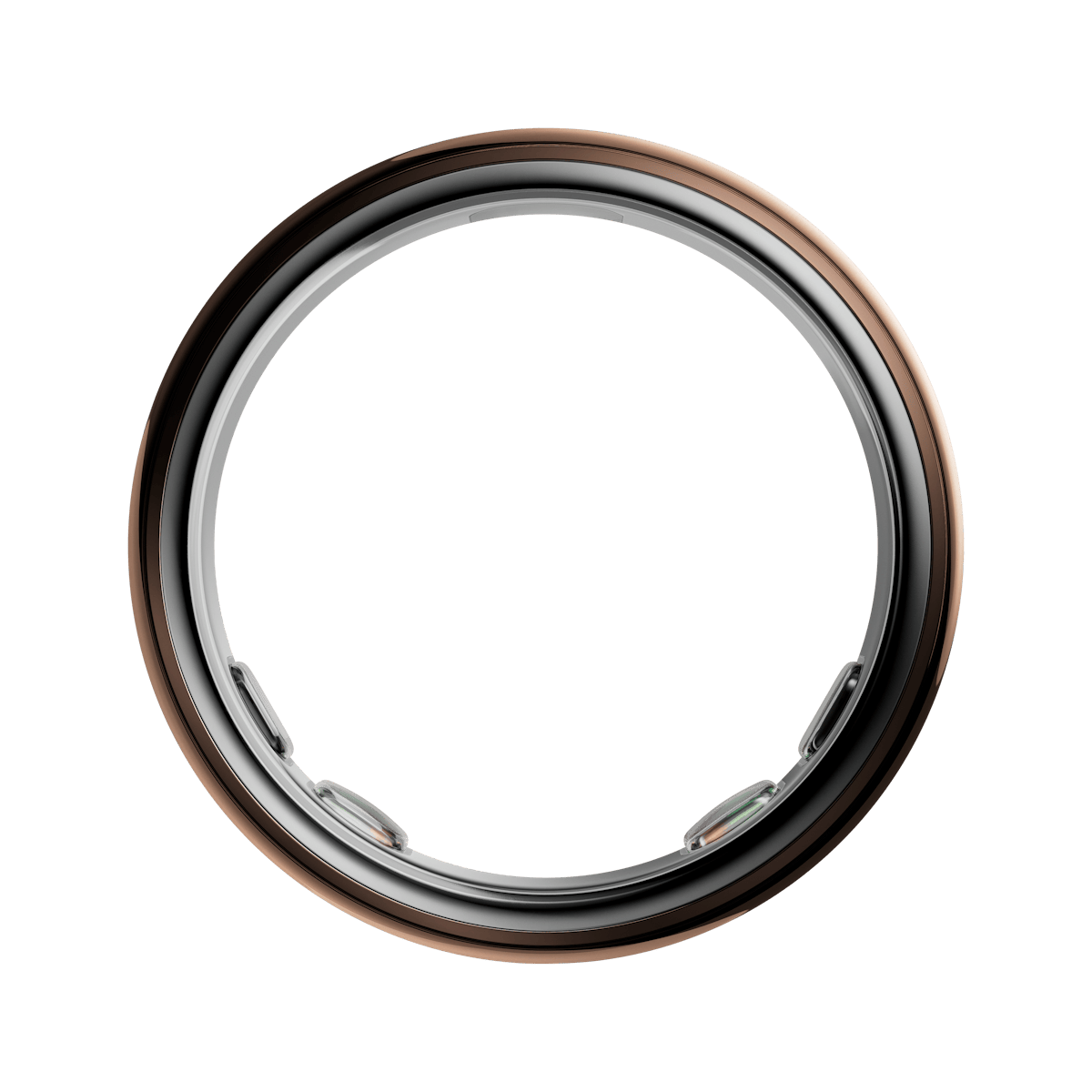
Oura Ring 4 is a wearable sensor measuring physiological signals during sleep and reporting data each morning. It tells you what happened โ it doesn't change what happens.
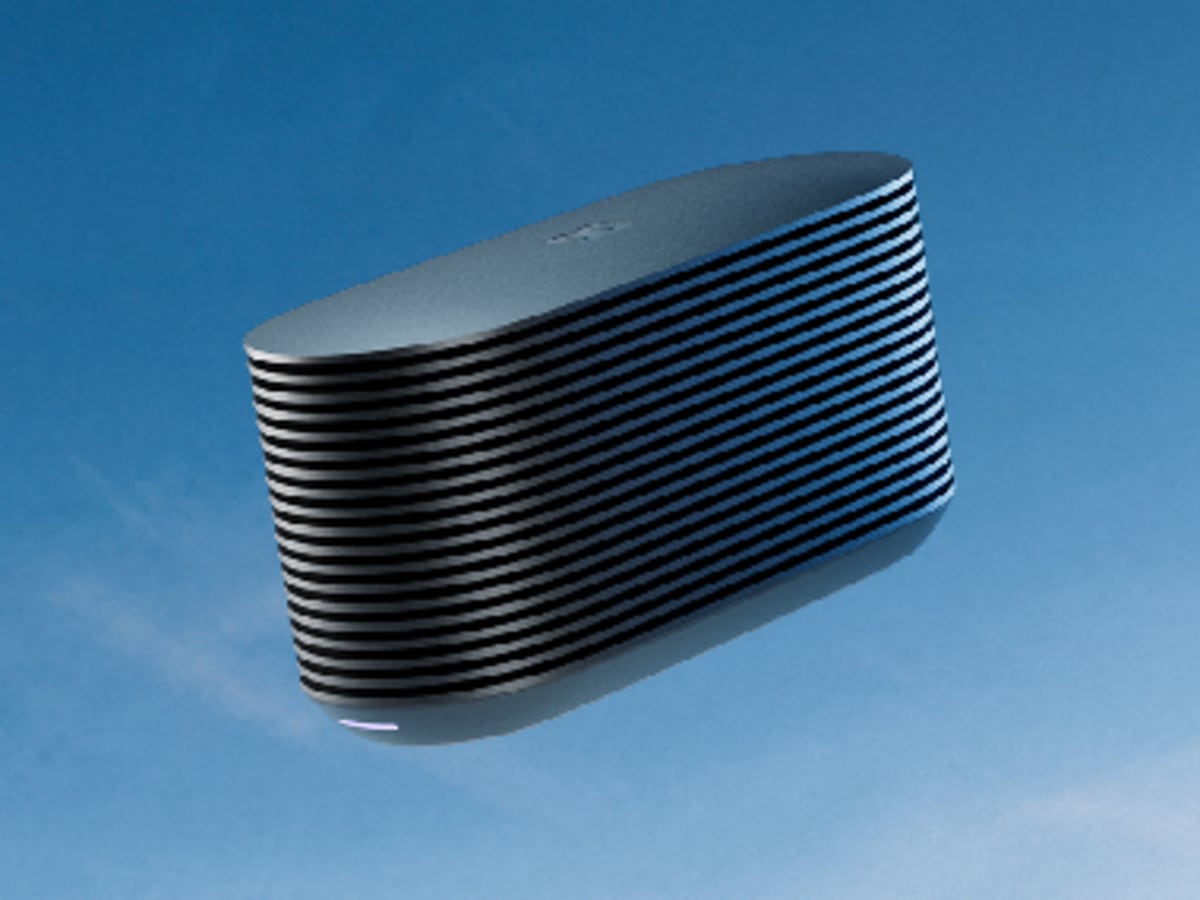
Eight Sleep Pod 4 is a smart mattress cover that actively controls bed temperature throughout the night, and also tracks sleep passively. It changes your sleep environment in real time โ and reports what it measured.
They're complementary tools, not direct competitors. The question is which delivers more value for your specific situation and budget.
| Feature | Eight Sleep Pod 4 ๐๏ธ | Oura Ring 4 ๐ |
|---|---|---|
| Active sleep improvement | Yes (temperature control) | No (tracking only) |
| Sleep tracking accuracy | Good | Excellent |
| HRV measurement | Good (BCG method) | Excellent (finger PPG) |
| Wearable required | No | Yes (ring) |
| Works for both partners | Yes โ dual independent zones | Separate ring per person |
| Cycle tracking | No | Yes โ Cycle Insights |
| Upfront cost | $2,295+ | $349 |
| Annual subscription | $199/year | $72/year |
| 3-year total cost | ~$2,900 | ~$565 |
In six weeks of simultaneous testing, the Eight Sleep Pod produced a more immediate measurable change in deep sleep proportion โ consistent with the established relationship between cooler sleep surface temperature and slow-wave sleep. The Autopilot feature drops mattress temperature during the first third of the night (when deep sleep is most concentrated), and this appears to meaningfully increase deep sleep for many users.
Oura Ring doesn't change sleep quality directly โ it reveals what's affecting it. After 3โ4 weeks of Oura data, patterns emerge clearly: alcohol nights show HRV suppression; late exercise correlates with reduced deep sleep; consistent bedtimes produce better Readiness Scores. This behavioural feedback is how Oura improves sleep โ making the consequences of choices visible and correctable.
Both mechanisms are real and both are valuable. The question is whether you first need better data (Oura) or a direct environmental intervention (Eight Sleep).
Eight Sleep uses ballistocardiography (BCG) โ detecting micro-vibrations through the mattress from heartbeat and breathing. This produces reasonable sleep stage estimates and passable HRV data. In direct comparison with Oura Ring running simultaneously, Eight Sleep's sleep stage breakdowns correlated well at a broad level (total sleep time, approximate deep proportion) but showed more variance in precise stage timing and produced HRV values with more noise.
For detailed HRV trend tracking, Oura Ring's finger PPG sensor remains the more accurate consumer-grade option. For knowing roughly how you slept without wearing anything, Eight Sleep is entirely adequate.
The combination is genuinely powerful: Eight Sleep optimises the environment automatically; Oura tracks the physiological response with high precision. Many users run both โ using Eight Sleep's Autopilot for temperature control and Oura for detailed nightly HRV and sleep stage measurement. Both sync to Apple Health, so the data coexists without conflict.
Buy Oura Ring 4 first if you don't yet have a clear picture of what affects your sleep. The behavioural feedback loop from 2โ3 months of Oura data typically reveals high-impact, low-cost improvements (alcohol timing, bedtime consistency, exercise timing) before any environmental intervention is needed.
Add Eight Sleep Pod if you've already optimised behavioural factors and want a direct environmental lever โ particularly if you sleep with a partner and temperature preference is a recurring friction point. The dual-zone control is the feature couples consistently cite as most impactful.
Start with Eight Sleep only if you genuinely won't wear a wearable to bed and want passive tracking plus temperature control from day one.