The best sleep tracker is the one you'll wear consistently โ and that charges without disrupting your nightly data. We rank the top options by sensor accuracy, overnight comfort, battery life, and how actionable the morning data actually is.
| Rank | Device | Best for | Score |
|---|---|---|---|
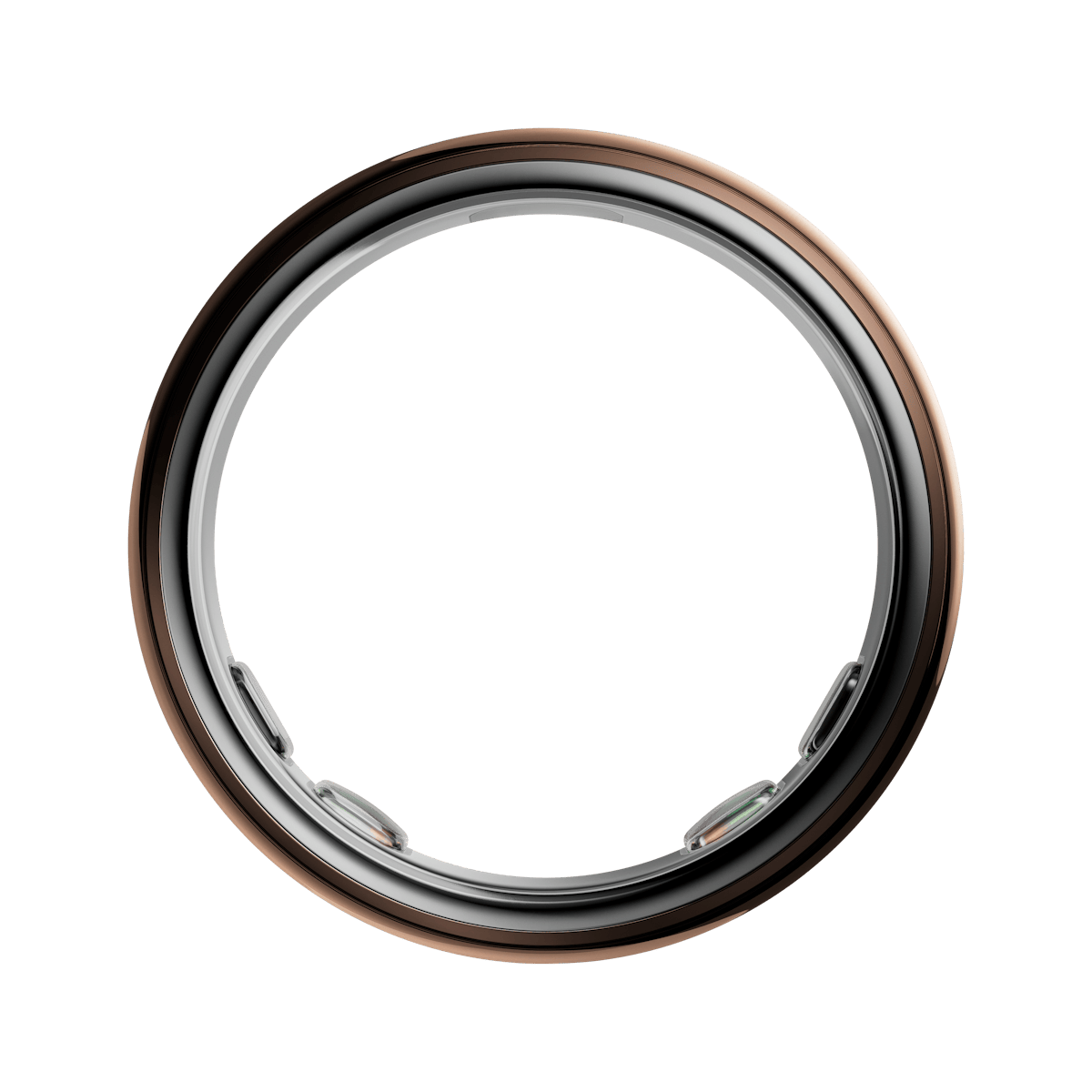
| #1 | ๐ Oura Ring 4 | Best overall | 9.2/10 |
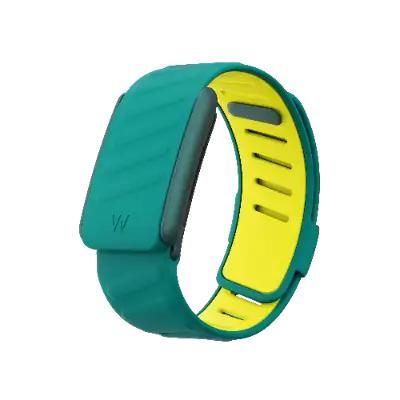
| #2 | โ Whoop 4.0 | Athletes | 8.8/10 |
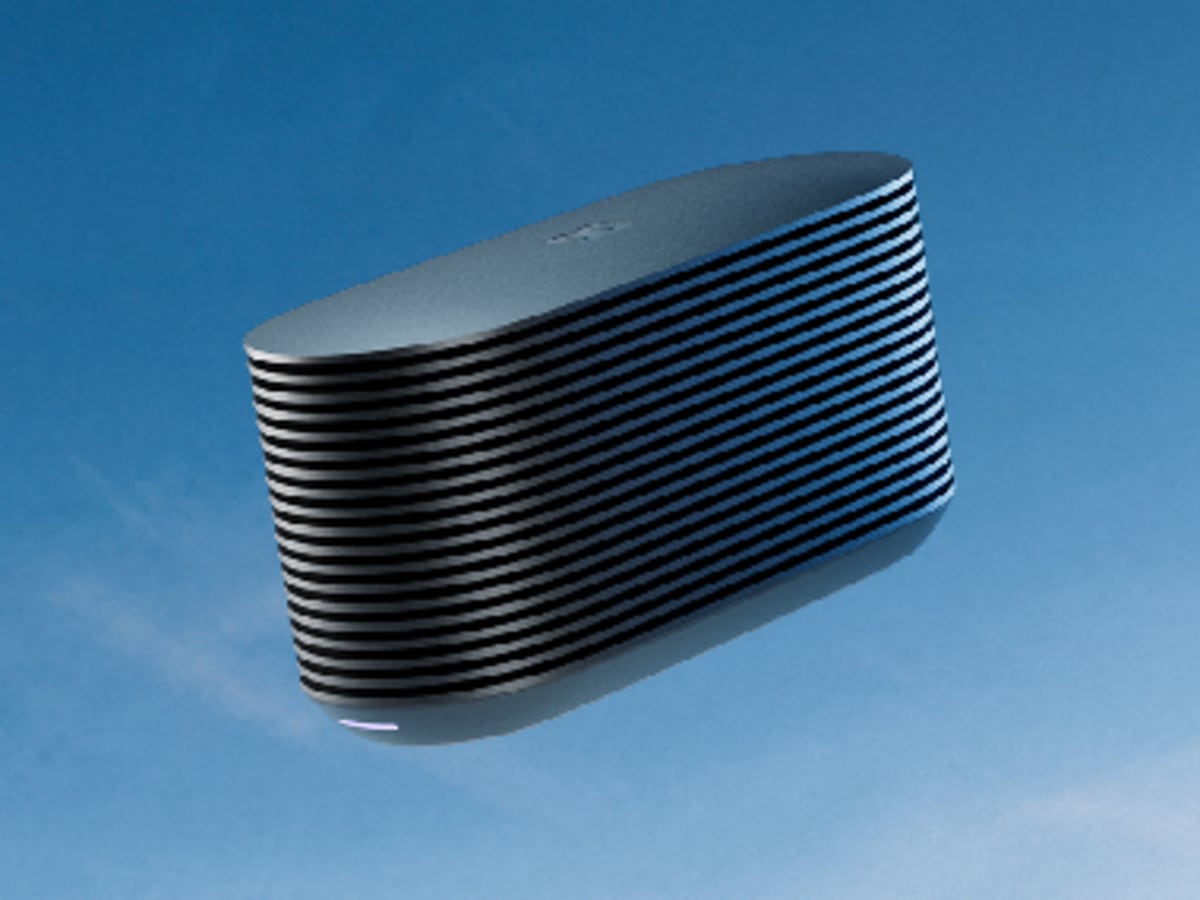
| #3 | ๐๏ธ Eight Sleep Pod 4 | No wearable | 8.7/10 |
| #4 | ๐ Apple Watch Series 9 | iPhone users | 7.8/10 |
| #5 | ๐ธ Garmin Lily 2 | Budget + style | 7.5/10 |
Three reasons Oura tops this list: finger placement (the clearest HRV signal of any wearable location), 7-day battery (no charging conflicts โ every night tracked without exception), and data depth (sleep stages, HRV, resting heart rate, temperature, respiratory rate, and Readiness Score all in one morning report). The $6/month subscription is the lowest ongoing cost of any device on this list that requires one.
The Sleep Score algorithm matures over 2โ3 weeks of consistent wear, building individual baselines for each metric. After that period the morning report becomes a reliable signal โ connecting last night's behaviours to physiological outcomes.
Read full review โ Check priceWhoop's sleep tracking is excellent โ and its integration of sleep data into the daily Recovery % and Strain coaching makes it more actionable for athletes than any other device. Sleep Coach recommends bedtime based on accumulated sleep debt; Recovery % integrates sleep quality with HRV and training load from the previous day.
The $30/month subscription is a barrier for non-athletes. For users who primarily want sleep data without the strain ecosystem, Oura Ring at $6/month delivers comparable (and slightly more accurate) sleep stage data at a fifth of the ongoing cost.
Read full review โ Check priceFor users who won't wear anything to bed, Eight Sleep is the only device that combines passive sleep tracking with active temperature control. The temperature intervention โ cooling the mattress during deep sleep, warming before wake โ is arguably more impactful on sleep quality than any tracker alone. The $2,295+ entry price puts it in a different category from wearables, but for couples seeking independent temperature zones, nothing competes.
Read full review โApple Watch tracks sleep stages and includes wrist temperature sensing for cycle-aware sleep insights. The problem: most users charge overnight, missing exactly the data they want to capture. Users who commit to daytime charging find the sleep tracking reliable. For uninterrupted nightly coverage, wearables with 5โ7 day batteries are more practical.
Read full review โAt $249 with no subscription and a 5-day battery, Garmin Lily 2 delivers solid sleep stage tracking and Body Battery energy scores without any ongoing cost. Sleep stage accuracy is less granular than Oura or Whoop, but for users who want sleep tracking as one feature in an elegant everyday watch, the value is exceptional.
Read full review โ Check priceBattery life: Devices requiring nightly charging will inevitably miss data. Look for 5+ day battery or a passive system like Eight Sleep.
Sensor placement: Finger sensors (rings) provide cleaner PPG signals for HRV and heart rate during sleep than wrist sensors. This translates to more accurate sleep stage classification overall.
Data actionability: A tracker that shows a score but doesn't explain what drove it is less useful than one connecting measurements to behaviours. Oura and Whoop both surface contributing factors clearly.
Overnight comfort: You won't improve sleep data if the device disrupts sleep. Rings are generally less intrusive than watches for overnight wear.