Oura Ring vs Whoop 4.0: Which Wearable Wins in 2026?
Oura Ring 4 and Whoop 4.0 are the two most popular screenless wearables โ both focused on sleep, recovery, and HRV โ but they take fundamentally different approaches. This comparison tests both devices simultaneously across identical conditions to give you a clear answer on which one belongs on your body.
At a glance
The short answer: Oura Ring 4 wins for most users โ particularly for sleep tracking accuracy, comfort, and overall value when factoring in the lower subscription cost. Whoop 4.0 is the better choice for serious athletes who want granular training load analysis and strain-based recovery coaching.
Full specification comparison
| Feature | Oura Ring 4 ๐ | Whoop 4.0 โ |
|---|---|---|
| Form factor | Ring (6g) | Wrist band |
| Screen | None | None |
| Battery life | 7 days | 4โ5 days |
| Charging | Case (included) | Slide charger (on wrist) |
| Water resistance | 100m | 10m |
| Sleep stages | REM, Light, Deep, Awake | REM, Light, Deep, Awake |
| Sleep accuracy | Excellent | Very good |
| HRV measurement | Nightly (during sleep) | Nightly (during sleep) |
| Temperature sensor | Finger (closer to core) | Wrist (skin) |
| SpO2 | Yes | Yes |
| GPS | No | No |
| Workout detection | Auto-detect | Auto + manual with strain |
| Recovery score | Readiness Score (0โ100) | Recovery % + Strain |
| Cycle tracking | Yes (Cycle Insights) | Basic |
| Subscription cost | $6/month | $30/month |
| Device price | $349 | $0 (with membership) |
| First-year total cost | $421 | $360 (or $399 12-month) |
| Platform | iOS + Android | iOS + Android |
Round 1: Sleep tracking
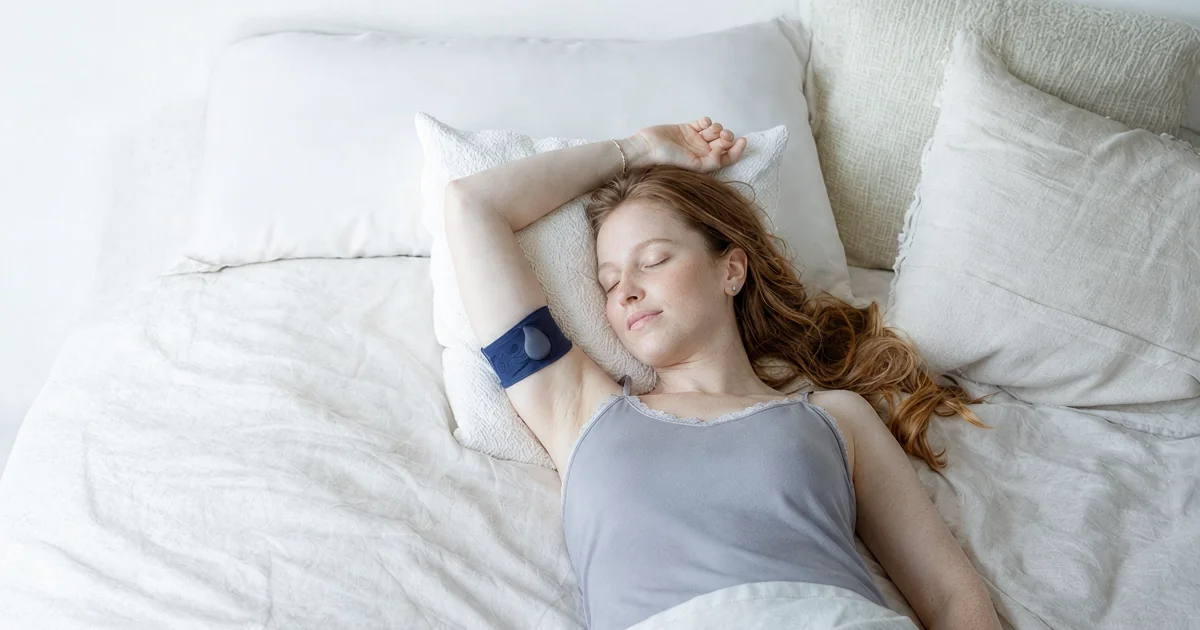
Both devices produce sleep stage hypnograms (light, deep, REM, awake breakdowns). Oura's finger placement โ closer to arterial blood flow than the wrist โ gives its PPG sensor a cleaner signal for heart rate and HRV measurement during sleep. In side-by-side testing, Oura's sleep stage classifications aligned more consistently with how users felt upon waking.
Whoop's sleep data is very good, but its wrist sensor is more susceptible to movement artifacts during restless sleep. Both devices occasionally misclassify wake periods as light sleep โ this is a known limitation of PPG-based sleep tracking vs clinical polysomnography.
Round 2: Recovery & HRV tracking
Oura's Readiness Score synthesizes HRV, resting heart rate, body temperature deviation, sleep quality, and activity balance into a 0โ100 score with a qualitative label (Optimal / Good / Pay Attention). It tells you how recovered you are for the day ahead.
Whoop's Recovery % does the same, but adds a Strain score โ a measure of cardiovascular load from the previous day's activity โ as a key recovery input. This makes Whoop's recovery system more tightly integrated with training load for athletes. If you're training consistently, Whoop's strain + recovery loop is more actionable. For general lifestyle tracking, Oura's Readiness is cleaner and easier to act on.
Round 3: Workout tracking
This is where Whoop clearly leads. Its Strain Coach feature calculates a recommended daily exertion level based on recovery, and tracks cumulative cardiovascular load throughout the day. Whoop's auto-detection of exercise (yoga, HIIT, cycling, running) is accurate, and its workout summaries include strain score, average heart rate, and zone breakdowns.
Oura detects and logs workouts, but its workout data is less granular. It doesn't provide a strain metric, and its activity goals are simple step-count and calorie targets. For someone who primarily cares about sleep and recovery โ and does only light to moderate exercise โ this difference won't matter much.
Round 4: Design & comfort
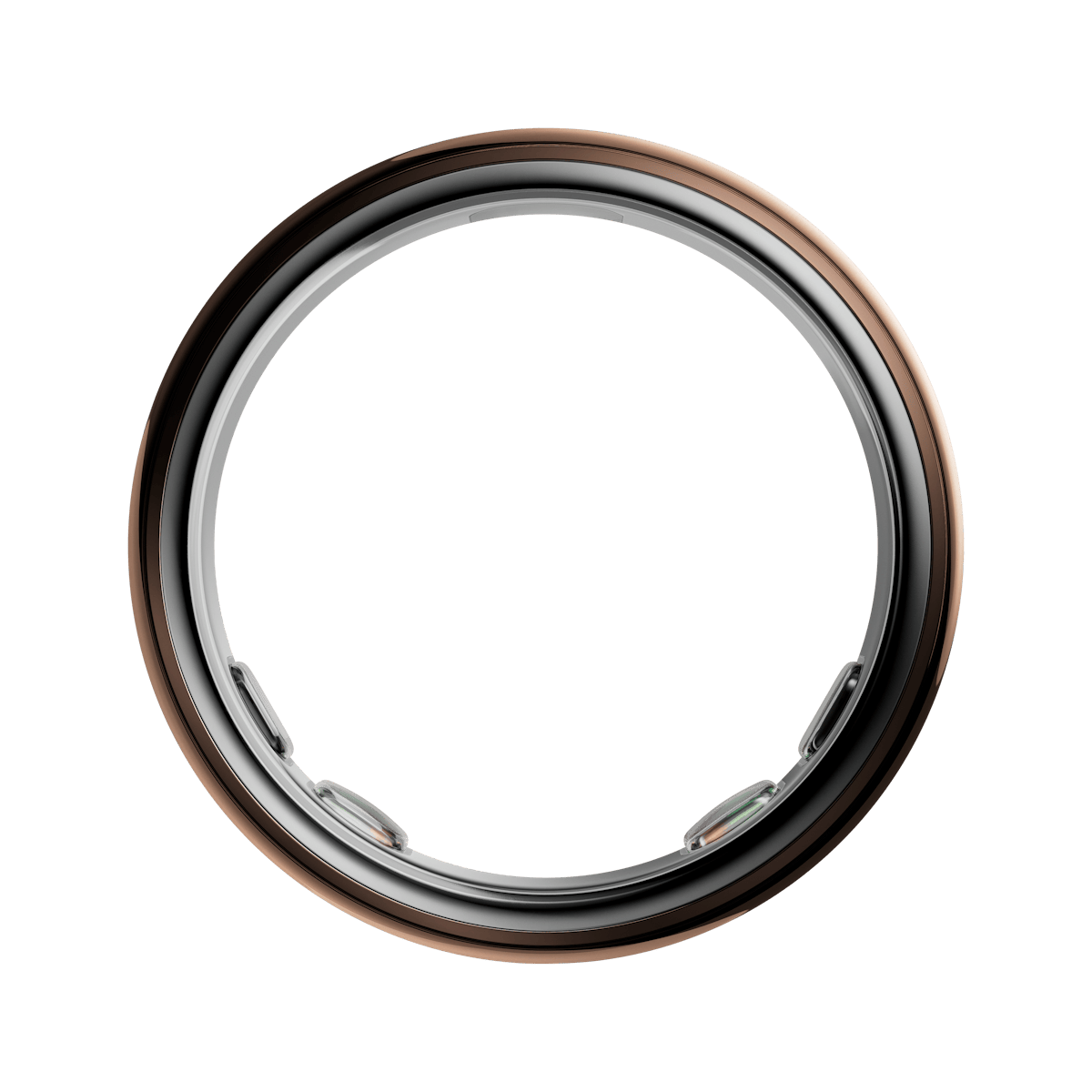
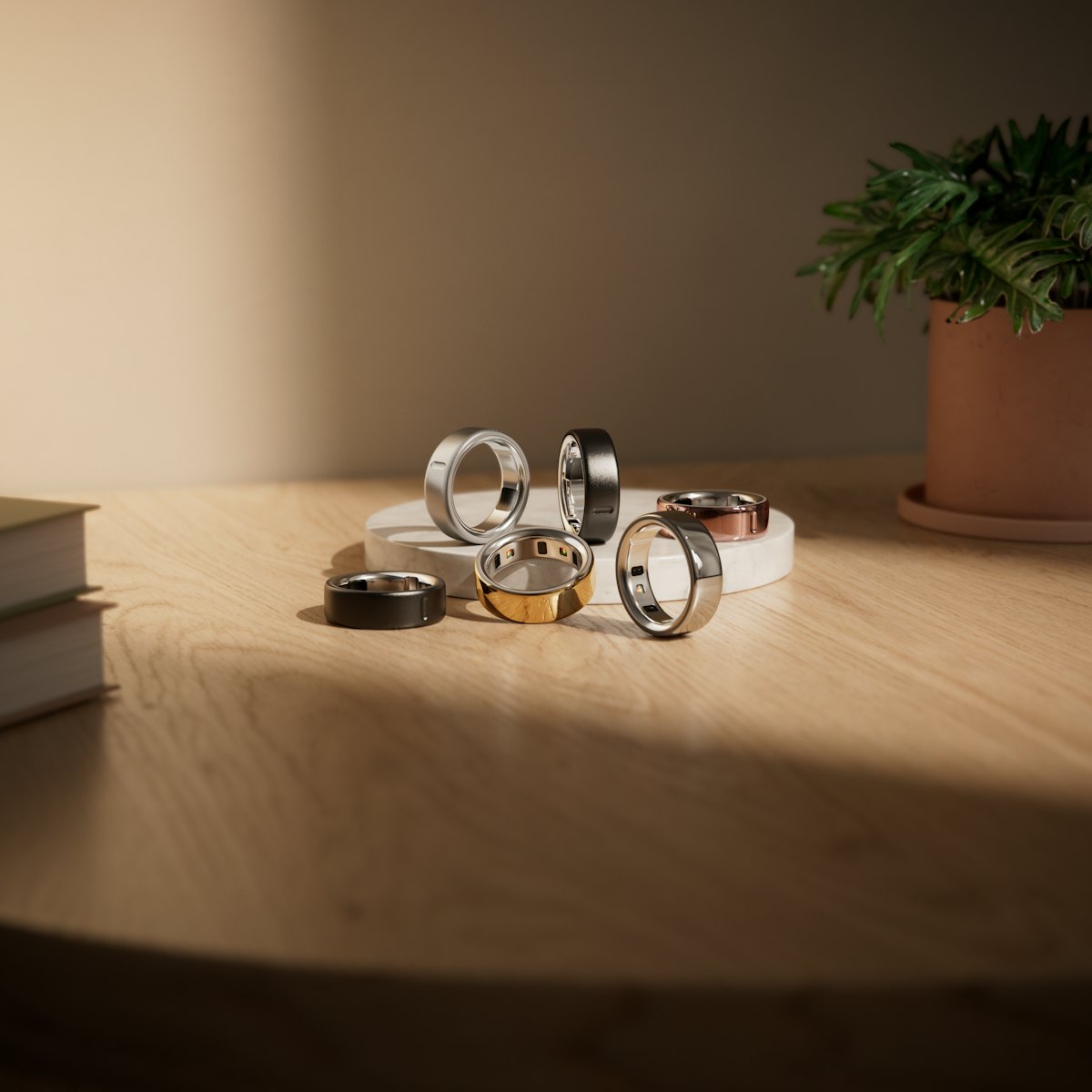
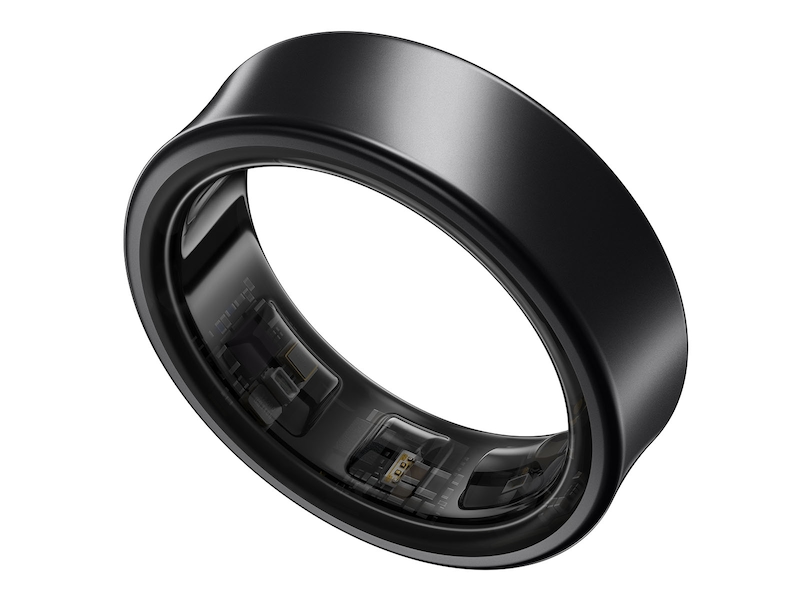
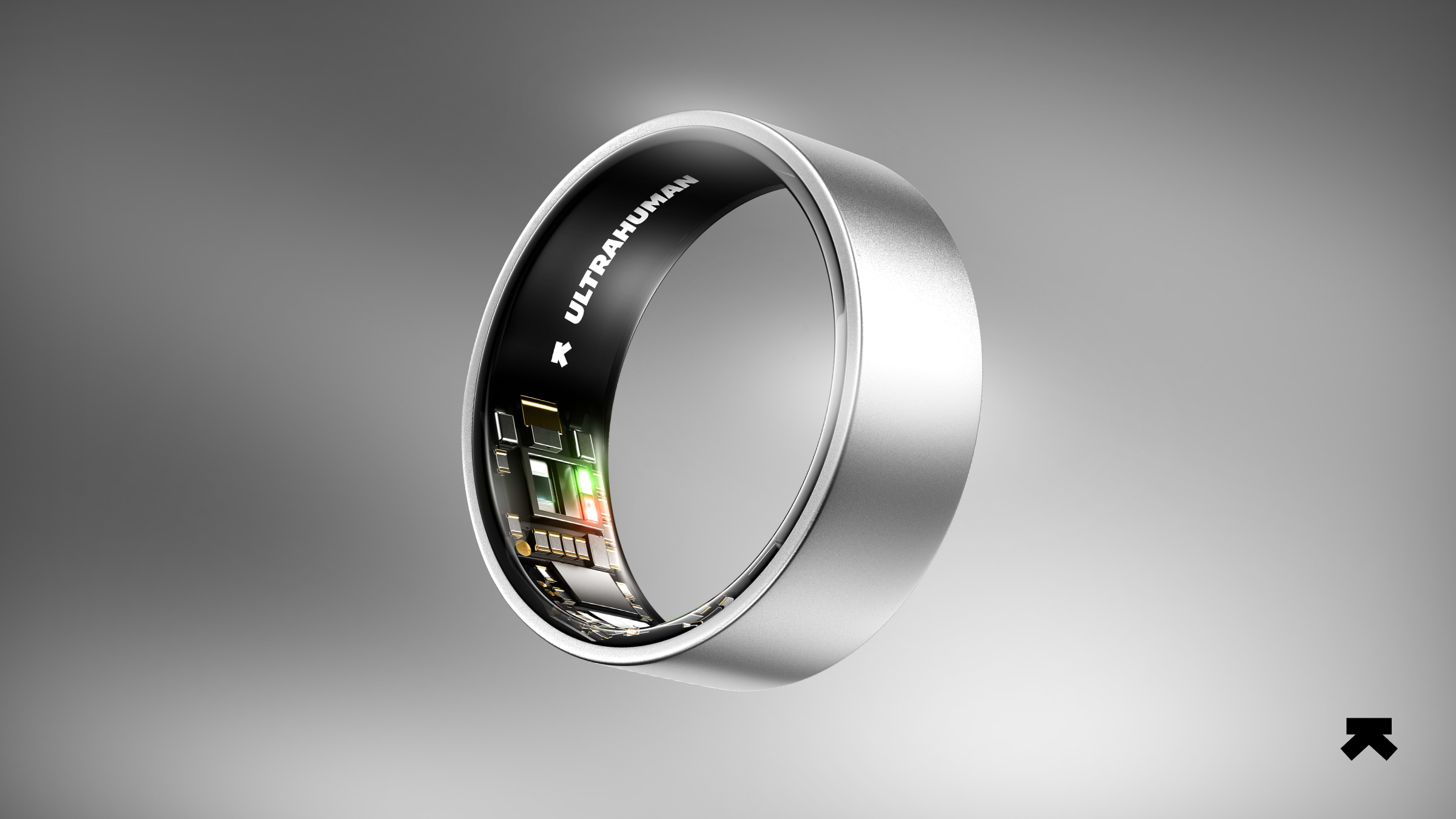
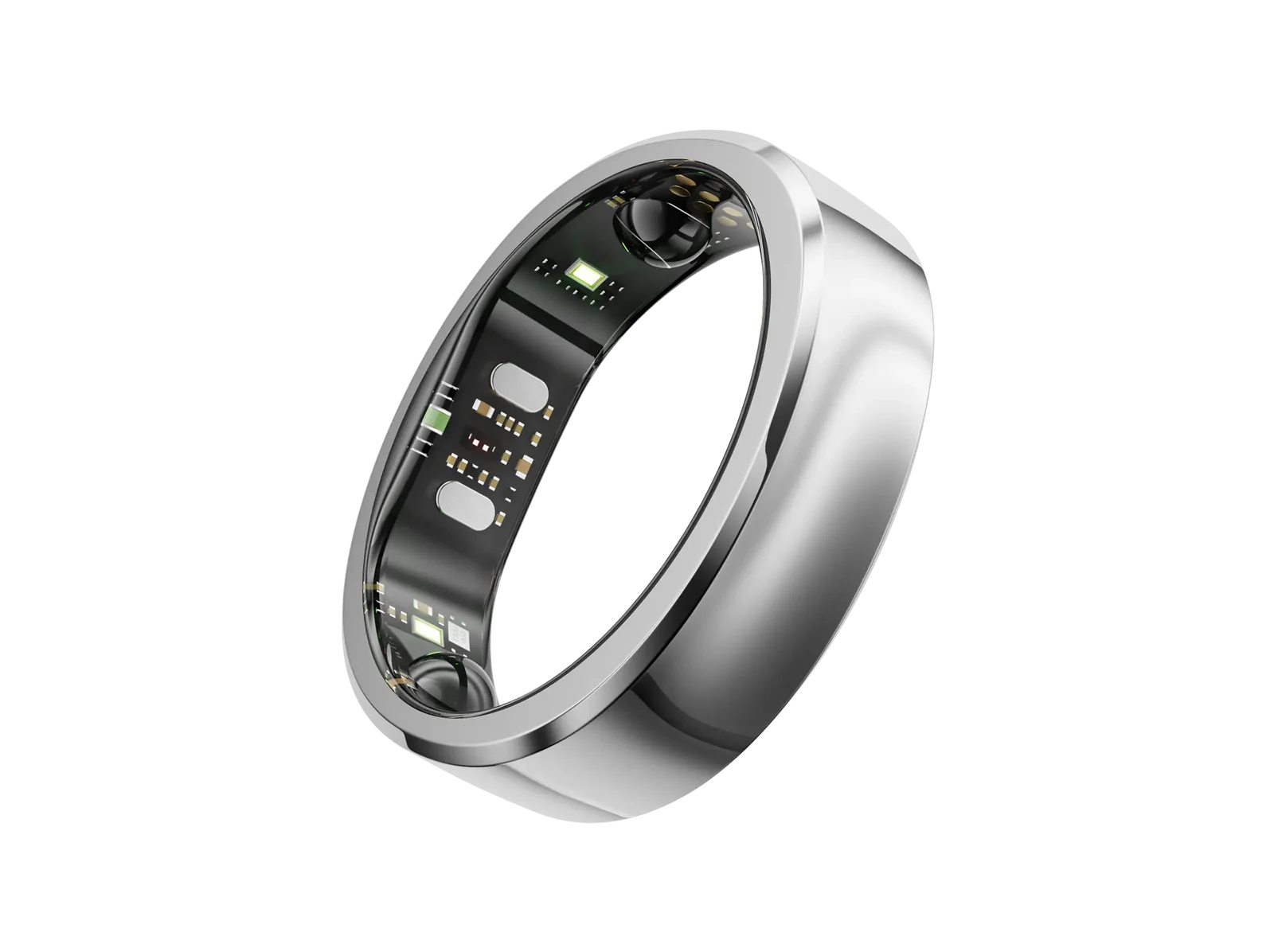
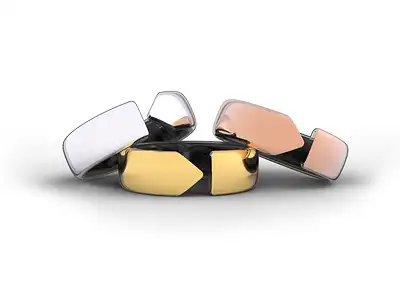
The Oura Ring 4's titanium construction at 4โ6g is nearly imperceptible during daily wear. It goes unnoticed in social settings โ which is valuable for a device you're meant to wear 24/7 including during exercise, sleep, and formal occasions. The 100m water resistance covers swimming pools, showers, and the ocean without concern.
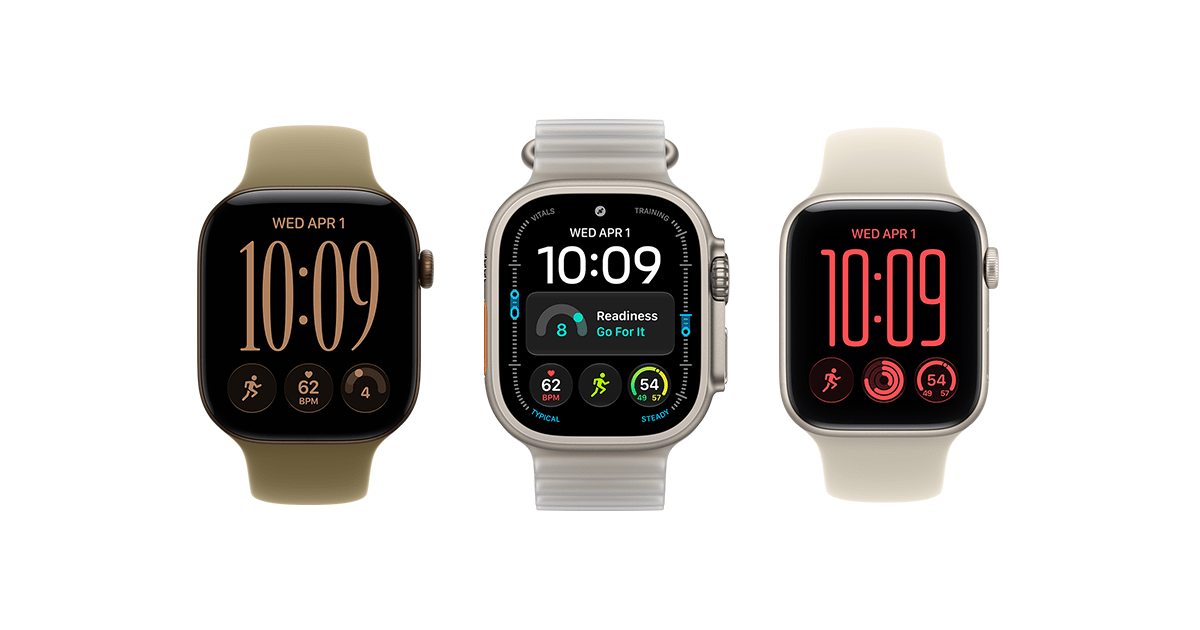
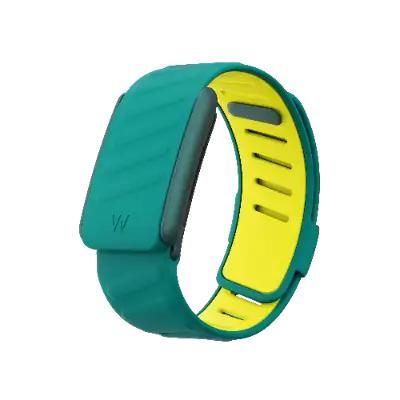
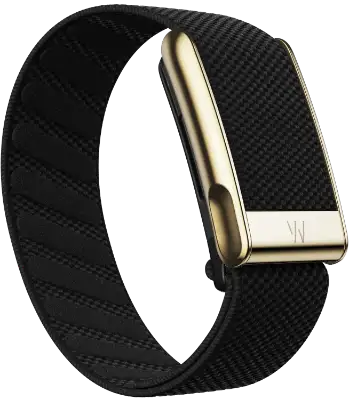
Whoop is a wrist band with no screen. It's less conspicuous than a smartwatch, but still visible. Some users dislike the band's look in professional or formal settings. Whoop's slide charger clips over the band and charges while worn โ a clever design that means you're never without data due to charging. Both devices are comfortable for sleep; the ring has a slight advantage from sheer size.
Round 5: Cost and subscription
This is an important and often underappreciated factor in the decision.
Oura Ring 4: $349 device + $6/month subscription = $421 in year one, $72/year ongoing.
Whoop 4.0: Device is free with membership. Monthly plan: $30/month = $360 in year one. Annual plan: $399/year. 24-month plan: $659 (~$27.50/month).
On paper, Whoop is cheaper in year one (if you choose the annual plan). But Oura is dramatically cheaper in ongoing years โ $72/year vs $360+. Over three years, the total cost difference is significant: Oura costs ~$565, Whoop costs ~$1,149 (3 ร $383 annual average).
Buy Oura Ring 4 if: you prioritize sleep tracking accuracy, want a discreet form factor, track your cycle, or prefer lower long-term subscription costs. This is the right choice for most people.
Buy Whoop 4.0 if: you're a serious athlete who trains 4โ6 days per week, want granular training load data and strain coaching, and are committed to the subscription long-term. Whoop's ecosystem is built around optimizing athletic performance โ if that's your context, it earns its subscription.