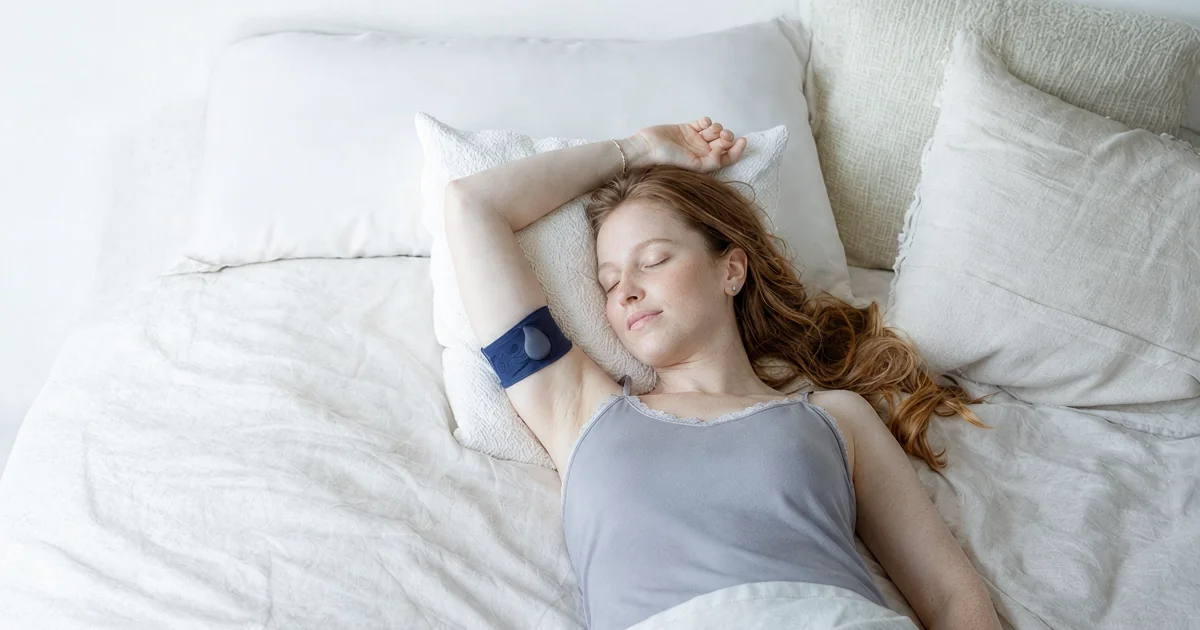
There are more wearable options than ever in 2026 โ and more marketing claims. This buying guide cuts through the noise to help you match a device to your actual priorities: sleep, cycle data, fitness, convenience, or some combination of all of them.
Before looking at any device, answer this: what is the one thing you most want to track? Most people have a primary priority and secondary interests. Match the primary first โ secondary features can usually be added or supplemented later.
| Primary goal | Best device | Why |
|---|---|---|
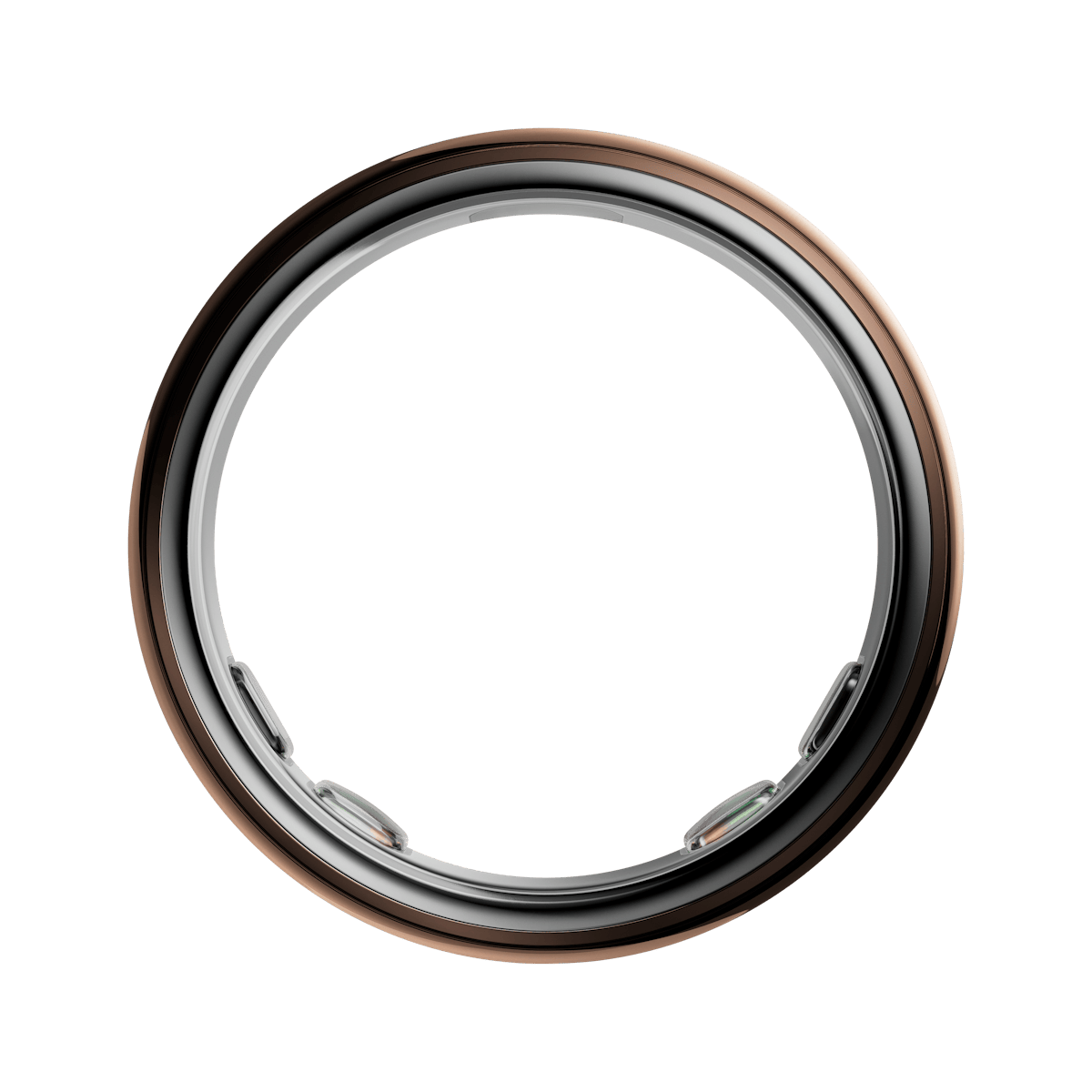
| Sleep tracking | Oura Ring 4 | Best sensor + 7-day battery, no charging conflicts |
| Cycle tracking | Oura Ring 4 + Natural Cycles | Best temperature sensor + FDA-cleared algorithm |
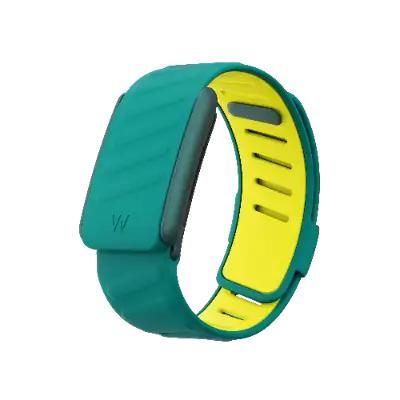
| Athletic recovery coaching | Whoop 4.0 | Strain + recovery system built for athletes |
| GPS workout tracking | Apple Watch / Garmin Forerunner | Real-time GPS metrics, pace coaching |
| All-round smartwatch | Apple Watch Series 9 | Ecosystem, ECG, GPS, no subscription |
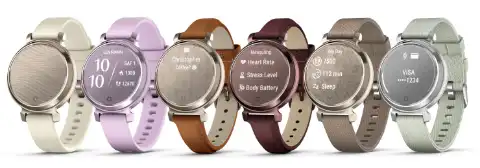
| Elegant everyday watch | Garmin Lily 2 | Designed for women, no subscription, 5-day battery |
| No-wearable sleep tracking | Eight Sleep Pod | Passive tracking + temperature control |
Battery life is the most underrated factor in wearable decisions. The best tracker is the one you wear consistently โ which means it needs to fit your charging habits without creating data gaps.
Daily charging (Apple Watch, 36h): Works for users who build a routine โ charging during a morning shower or desk session. Creates overnight data gaps on forgotten charging nights.
4โ5 day battery (Whoop): Whoop's on-wrist slide charger means you technically never remove it. In practice, charge during desk work or TV time every few days.
5-day battery (Garmin Lily 2): Charge every Sunday. Simple, consistent, no data gaps.
7-day battery (Oura Ring): Charge once a week during a shower or morning routine. Tracks every single night without exception. The most reliable overnight coverage available.
| Device | Upfront | Subscription | 3-year total |
|---|---|---|---|
| Oura Ring 4 | $349 | $72/year | ~$565 |
| Whoop 4.0 | $0 (with membership) | $360/year | ~$1,080 |
| Apple Watch Series 9 | $399 | None | $399 |
| Garmin Lily 2 | $249 | None | $249 |
| Eight Sleep Pod 4 | $2,295+ | $199/year | ~$2,900 |
| Natural Cycles | $0 app | $99/year | $297 |
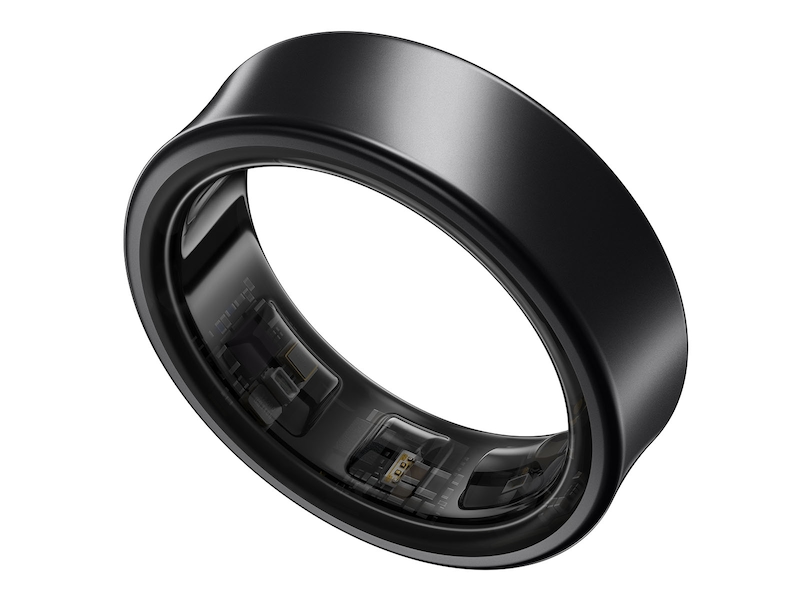
Ring (Oura): Invisible in daily life. Comfortable during sleep. No wrist interference during weight training or typing. No interaction during the day โ all data in the morning app. Size-specific โ requires a sizing kit before ordering.
Screenless band (Whoop): More discreet than a watch, less so than a ring. No screen means no distraction, but all data requires a phone check. Slide charger means you technically never remove it.
Watch with screen (Apple Watch, Garmin): Shows data on wrist without a phone. Useful for real-time workout metrics. Can feel intrusive if you're trying to reduce screen time. Case size matters โ look for 40โ42mm options for most women's wrists.
Mattress cover (Eight Sleep): No form factor impact โ nothing on your body. But significant bedroom installation required.
Optimal sleep + cycle tracking: Oura Ring 4 + Natural Cycles (~$349 + $71โ99/year). The clearest sensor signal plus the most validated algorithm.
Best all-round setup: Apple Watch during the day (GPS, smartwatch) + Oura Ring at night (sleep + HRV). Both sync to Apple Health โ the combination covers every tracking use case.
Athletic performance: Garmin Forerunner 265S (GPS training data) + Whoop (recovery coaching between sessions).
Budget entry point: Garmin Lily 2 ($249, no subscription) โ the best overall starting value for everyday fitness and health tracking.
"Clinically proven" applied broadly โ always check what specifically was studied, by whom, and whether it was peer-reviewed. "Tracks stress" โ wearables track HRV as a stress proxy, not stress directly. "Predicts ovulation" โ wearables detect temperature patterns after ovulation occurs, not before. Claimed accuracy above 90% for sleep stages โ current PPG-based stage classification is not this accurate; such claims should be scrutinised carefully.