Ninaix reviews products and technology — not medical advice. Always consult a healthcare professional.
NinaixReviews → Tempdrop

🌡️ Tempdrop Review 2026: The Best Wearable BBT Sensor?

📅 Ninaix Editorial · Updated May 2026⏱ 7 min read📦 Device tested: Tempdrop Gen 2💳 Affiliate links disclosed

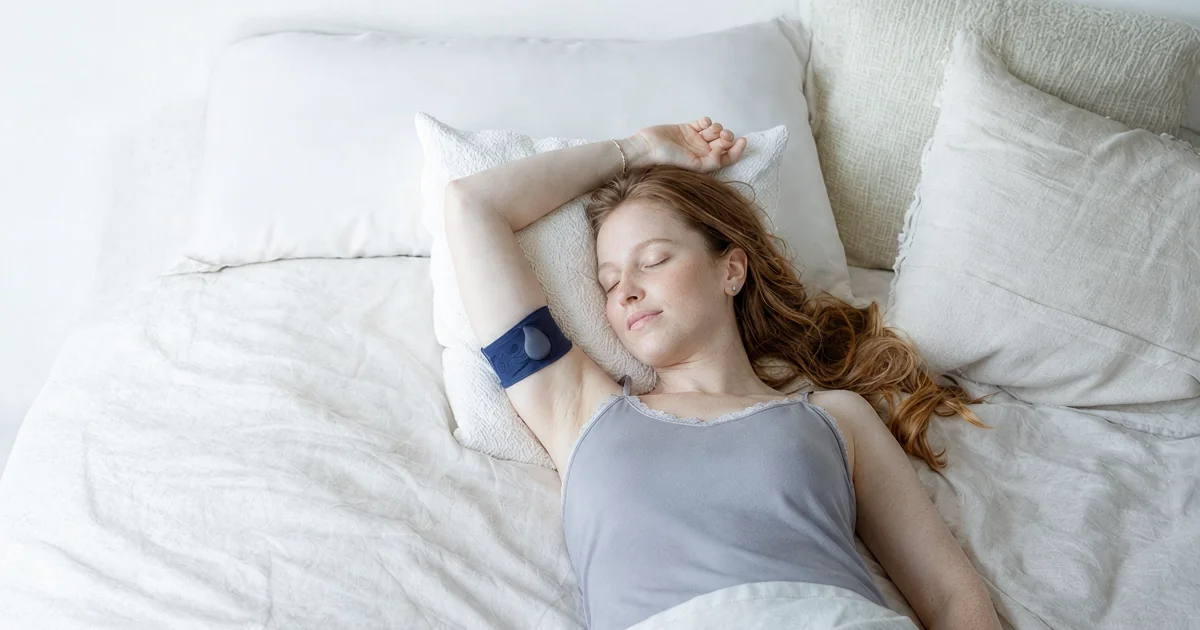
Tempdrop is a wearable sensor worn on the upper arm during sleep that measures basal body temperature continuously — eliminating the need to wake at the same time every morning for a manual thermometer reading. It syncs overnight temperature data to the Tempdrop app and third-party platforms including Apple Health and Kindara. We tested it for six weeks alongside Oura Ring 4.

🔗 Affiliate disclosure: Some links on this page are affiliate links. We may earn a commission at no extra cost to you.
Ninaix Verdict
Tempdrop — Best dedicated wearable BBT sensor
8.1 / 10
Solves the most practical problem in temperature tracking: you don't need to wake at the same time every day. Sensor accuracy is good; the app is functional if basic. Best paired with a third-party app.

Pros

  • No fixed wake time required
  • Continuous overnight sensing
  • Exports to Apple Health, Kindara, others
  • Comfortable upper-arm wear
  • One-time purchase, no subscription
  • Works with irregular schedules and shift work

Cons

  • Own app is basic — best used with third-party
  • $129 upfront, no subscription included
  • Upper-arm placement less convenient than ring or wrist
  • No other health metrics tracked
  • Smaller user community than Oura or Apple Watch

What Tempdrop is

Tempdrop is a single-purpose wearable: a small sensor worn on the upper arm overnight that measures skin temperature continuously during sleep. Where a traditional basal body temperature thermometer requires measurement at a fixed time each morning before getting out of bed, Tempdrop samples temperature throughout the night and applies an algorithm to derive a comparable resting temperature reading — meaning irregular wake times, night shifts, and disrupted sleep schedules don't invalidate the measurement.

It is a temperature measurement device. It measures one thing: overnight body temperature. What users do with that data — which app they feed it into, which patterns they track — is entirely separate from the hardware.

Hardware and specs

SpecTempdrop Gen 2
Sensor placementUpper arm (worn in armband)
Measurement methodContinuous overnight skin temperature
Battery life~6 months (replaceable coin cell)
Water resistanceIPX7
ConnectivityBluetooth (syncs to phone app in morning)
IntegrationsTempdrop app, Apple Health, Kindara, Read Your Body, others
Price$129 one-time
SubscriptionNone required for hardware use

The hardware is small and unobtrusive — the sensor pod is approximately the size of a large coin, worn in a soft fabric armband. The battery lasts approximately six months and is a standard replaceable coin cell (CR2032), so there's no charging routine and no wired connection. Build quality is solid. The armband is washable.

How the sensor works

Tempdrop samples skin temperature on the upper arm at regular intervals throughout the night. The device's proprietary algorithm analyses the full overnight temperature curve — accounting for movement, position changes, and ambient temperature variation — to derive a stable resting temperature reading. This is the key differentiator from a standard oral thermometer: the algorithm compensates for factors that would otherwise produce noise in the reading.

In the morning, opening the Tempdrop app syncs the overnight data via Bluetooth. The app displays the derived temperature reading, a confidence score for that reading, and the raw overnight temperature curve. From there, data can be exported to Apple Health or third-party cycle tracking apps.

Accuracy compared to Oura Ring

We wore Tempdrop and Oura Ring 4 simultaneously for six weeks to compare overnight temperature data. Both devices detected the characteristic overnight temperature pattern — the gradual drop in the first part of the night and the pre-wake rise. The Oura Ring's finger placement provides a more stable signal with less ambient temperature noise than the upper arm; on nights with significant movement or variable room temperature, Oura's readings were more consistent. However, Tempdrop's algorithm compensation narrowed this gap considerably on most nights.

For trend tracking over weeks — which is what temperature data is most useful for — both devices produced comparable pattern data. The difference in absolute accuracy matters less than the consistency of the trend, and both delivered consistent trends across the testing period.

The app — functional but basic

The Tempdrop native app displays temperature readings on a simple chart, confidence scores, and a note-logging feature. It lacks the data depth of Oura or Garmin Connect — there's no sleep stage data, no HRV, no trend analysis beyond the temperature chart itself. For users who want to do anything substantive with temperature data, the recommendation is to export to a third-party app via Apple Health.

Kindara is the most fully-featured companion app for Tempdrop — a dedicated cycle charting app that accepts temperature data and adds symptom logging, pattern visualization, and statistical analysis. The Tempdrop + Kindara combination is the most complete temperature-tracking setup available without the Oura Ring's price tag.

Tempdrop vs Oura Ring for temperature tracking

FeatureTempdropOura Ring 4
Temperature accuracyGoodExcellent (finger)
No fixed wake time neededYesYes
Other health metricsNoneHRV, sleep, HR, readiness
Third-party app supportKindara, Apple Health, othersApple Health, Natural Cycles
Price upfront$129$349
SubscriptionNone$6/month
3-year total cost~$129~$565
Form factorUpper arm bandRing (invisible)

Who Tempdrop is for

Tempdrop makes most sense for users who: want dedicated overnight temperature measurement without the cost of Oura Ring, have irregular schedules that make fixed-time morning thermometer readings impractical, already use a cycle charting app like Kindara and want to automate the temperature input, or want a single-purpose device with no ongoing subscription cost.

It's a poor fit for users who want comprehensive health tracking alongside temperature data — Oura Ring covers temperature plus sleep, HRV, readiness, and activity. For users who primarily want temperature data and nothing else, Tempdrop at $129 is the most practical hardware option available.

Sensor accuracy
8.0
Hardware & comfort
8.5
App & software
6.8
Third-party integration
8.8
Battery & maintenance
9.5
Value for money
9.2
Does Tempdrop work if I wake up at different times each day?
Yes — this is Tempdrop's primary advantage over a standard oral thermometer. The device samples temperature throughout the night and the algorithm derives a resting temperature reading from the full overnight curve, regardless of when you wake up. Shift workers and people with irregular schedules are a key use case.
Can Tempdrop replace Oura Ring for temperature tracking?
For temperature data specifically, Tempdrop is a capable and much cheaper alternative. The upper-arm placement produces slightly more variable data than Oura's finger placement, but trend patterns over weeks are comparable. Tempdrop cannot replace Oura Ring's HRV, sleep staging, readiness scoring, or activity tracking — it measures temperature only.
Which app works best with Tempdrop?
Kindara is the most developed companion app for temperature charting alongside Tempdrop data. Apple Health integration is straightforward and connects Tempdrop data to any app in the Apple ecosystem. The native Tempdrop app is functional but basic — most users get more value by exporting to a third-party platform.
Tempdrop
Check current price on Amazon
Tempdrop on Amazon →

Related articles

Review
Oura Ring 4 Full Review 2026
Guide
Cycle Tracking With Wearables
Guide
Best Wearables for Women 2026
💡 Ninaix reviews products and technology — not medical advice. Always consult a healthcare professional.