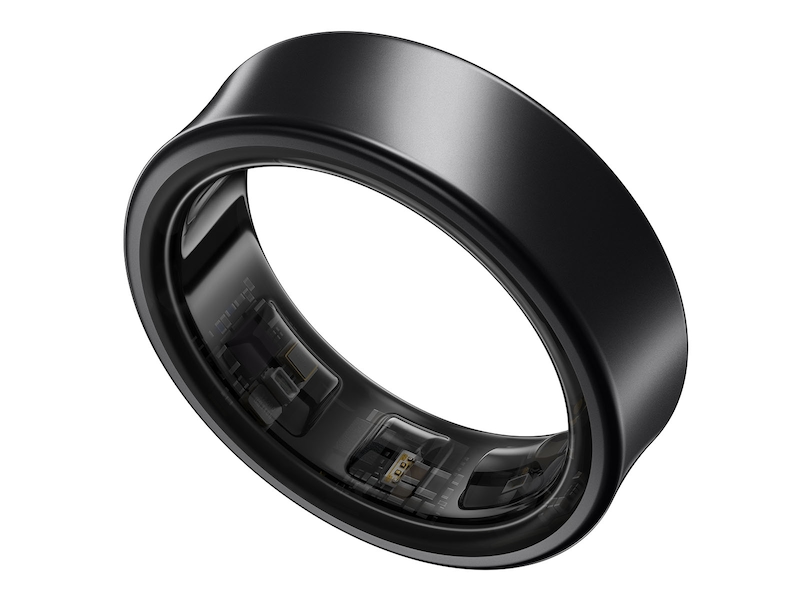
Samsung Galaxy Ring
Manufacturer information and editorial guidance. Ninaix has not tested the devices. Historical source dates are retained.
Samsung Galaxy Ring works with compatible Android phones and Samsung Health. Manufacturer battery estimate: Up to 7 days for sizes 12 to 15; up to 6 days for sizes 5 to 11.
We may earn a commission from purchases through these links. Learn more. Consult the manufacturer for current pricing; retailer searches do not verify availability.
At a glance
A smart ring to consider alongside Samsung Health and device compatibility. Compare its published features with the ecosystem you already use.
Features
- Manufacturer battery estimate: Up to 7 days for sizes 12 to 15; up to 6 days for sizes 5 to 11
- Data is viewed in Samsung Health
Product information retained from the earlier publication; consult the linked sources for scope and limitations.
Battery
Samsung gives this battery estimate: Up to 7 days for sizes 12 to 15; up to 6 days for sizes 5 to 11. It comes from internal lab tests using a typical usage pattern. Actual life varies; this is not a Ninaix test result.
Compatibility and data access
Samsung lists Android 11 or later, at least 1.5 GB of memory, the Galaxy Wearable and Samsung Health apps, and a Samsung account. Its Singapore FAQ explicitly supports other-brand Android phones, but Double Pinch and Find My Ring require Galaxy devices. The Galaxy Wearable app does not support iOS.
Samsung's Singapore FAQ gives this data-access policy: No subscription fee for ring data in Samsung Health (Samsung Singapore FAQ); some AI features may have separate fees. Check current terms and feature availability for your region.
Requirements and limits
- Android 11 or later is required; some features require a compatible Galaxy phone
- Actual battery life varies with ring size and use
Product information retained from the earlier publication; consult the linked sources for scope and limitations.
Keep reading
Sources
- Samsung Galaxy Ring product page, read October 27, 2026
- Samsung Galaxy Ring support, read October 27, 2026
- Samsung Singapore compatibility and data-access FAQ, read October 27, 2026
Method note. This product overview draws on the identified published sources. Ninaix has not tested this device. Source labels distinguish source-page update dates, reading dates and historical source dates. A source-reading date is not approval of this page. Consult the linked sources for their scope and limitations.