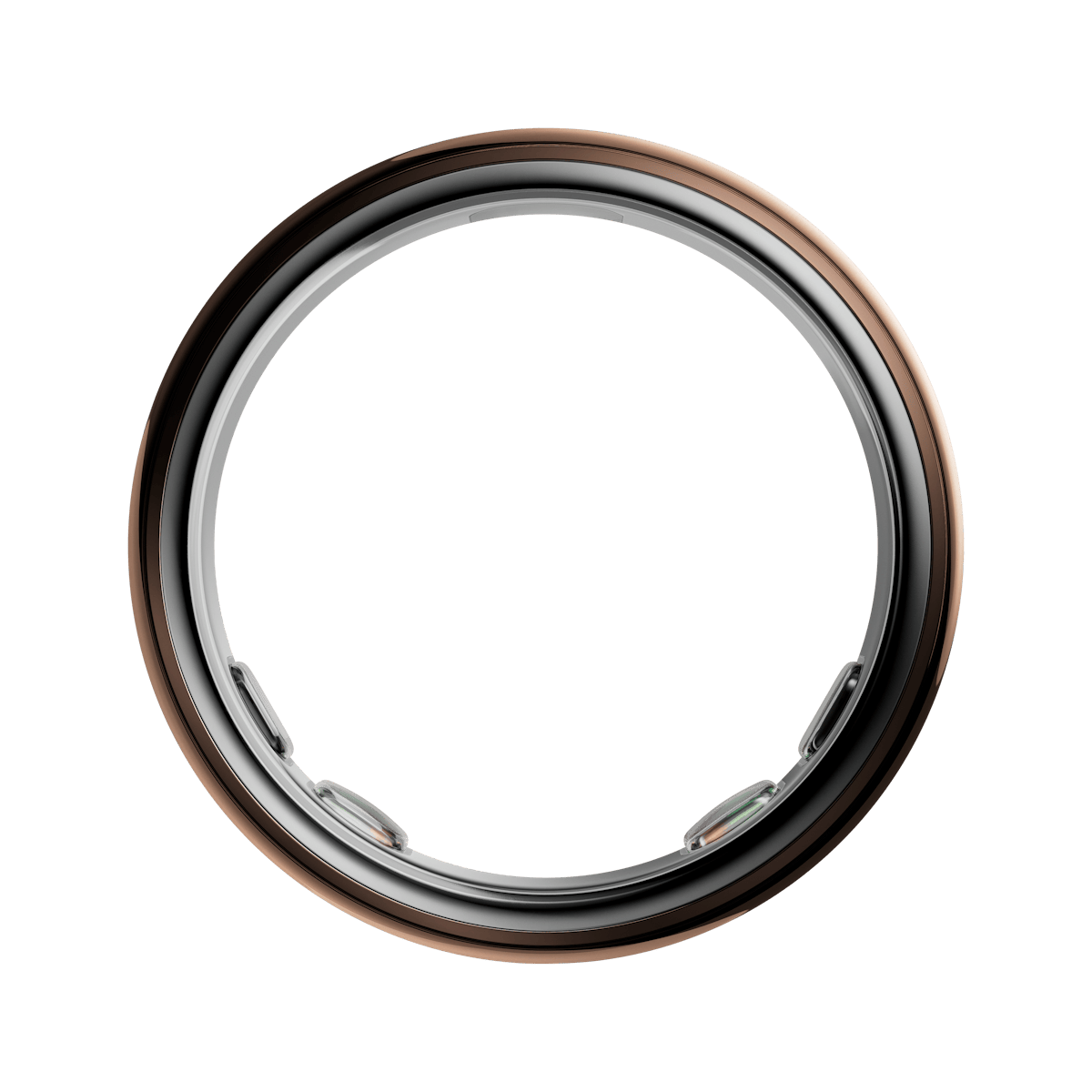
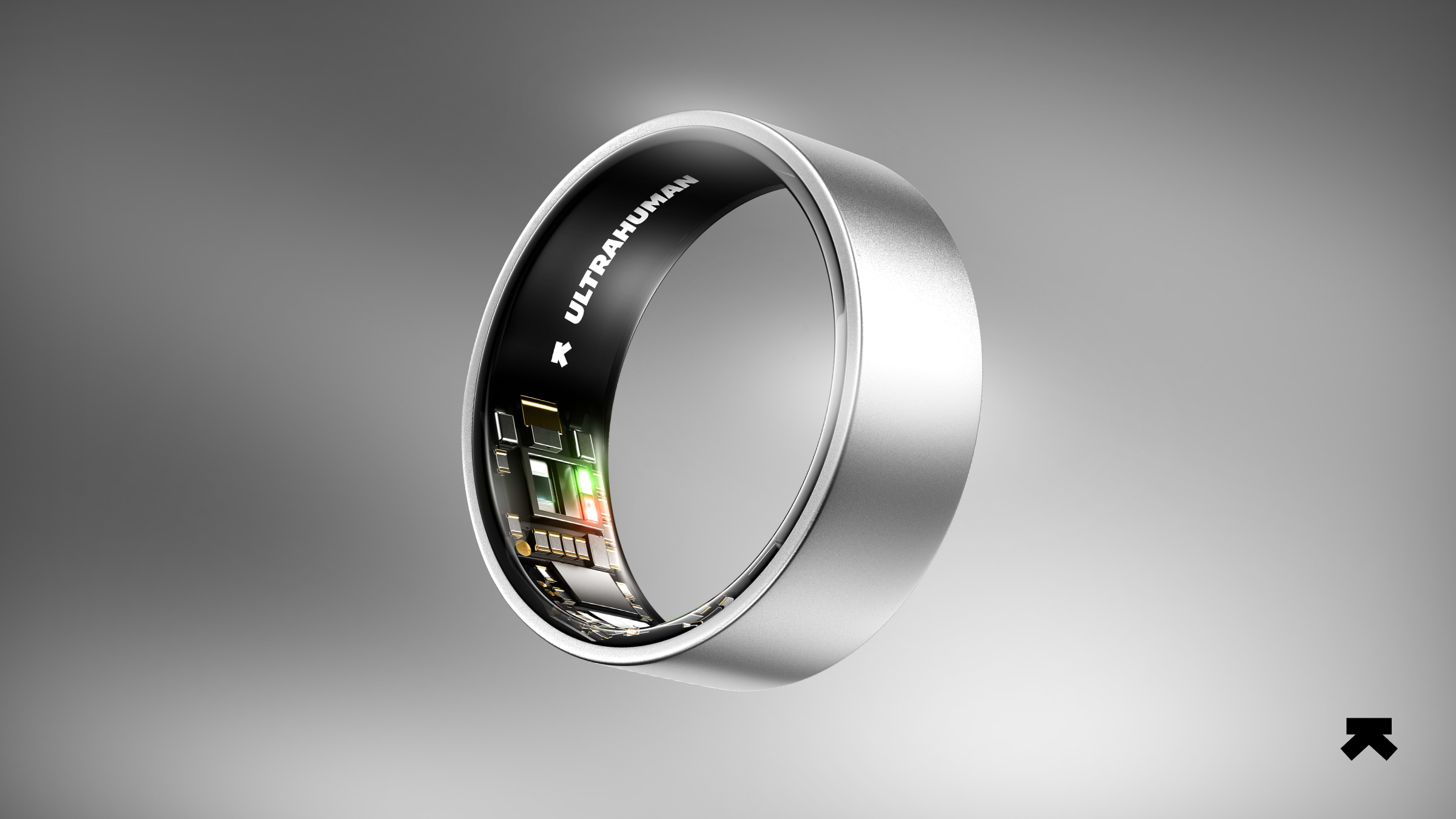
Oura Ring vs Ultrahuman Ring Air: Which Wins in 2026?
Ultrahuman built its reputation on one promise: everything Oura charges monthly for, free after purchase. The Ring Air is light, comfortable, and tracks sleep and HRV well. Oura counters with the most mature health platform in the category โ now including a 2026 AI model built on female physiology research. This comparison is really about whether Oura's analysis layer justifies its ongoing cost.
At a glance
Full comparison
| Feature | Oura Ring 5 ๐ | Ultrahuman Ring Air ๐ช |
|---|---|---|
| Subscription | Required for full features | None |
| Sleep & HRV tracking | Best-in-class staging + trends | Strong sleep and HRV tracking |
| Cycle tracking | Cycle Insights + 2026 female-physiology AI | Basic cycle features |
| Comfort | Thinnest Oura yet (Ring 5) | Very light, praised for comfort |
| App maturity | Highly polished, huge user base | Improving fast, more data-dense |
| Integrations | Natural Cycles, Apple Health, Android | Apple Health, Google Fit |
| Long-term cost | Hardware + membership | Hardware only |
Round 1: Sleep & recovery tracking
Both rings capture the same core signals overnight โ heart rate, HRV, temperature, movement โ and both produce credible sleep scores. Reviewers consistently rate Ultrahuman's raw tracking as good, especially for sleep and HRV, which is the Ring Air's strongest suit.
Oura's advantage is what happens after capture: Readiness synthesis, long-trend analysis, and contextual guidance that has been refined over more generations and a far larger research base. Ultrahuman's app surfaces more raw numbers; Oura turns numbers into decisions more reliably.
Round 2: Women's health features
Oura is meaningfully ahead here. Temperature-based Cycle Insights, the Natural Cycles integration, and the 2026 female-physiology AI model form a stack that no subscription-free competitor currently matches.
Ultrahuman offers cycle-tracking features, but they are not the product's center of gravity โ the Ring Air's DNA is metabolic and athletic tracking. For readers whose primary use case is cycle-aware training or fertility awareness, this round alone can justify Oura's membership.
Round 3: Cost over time
The Ring Air costs what it costs on day one, and that's the end of spending. Oura's hardware price is comparable, but the required membership adds up every year you wear it.
If you keep a ring for three years, Ultrahuman's total cost is simply the hardware; Oura's is hardware plus three years of fees. For tracking-curious buyers who mainly want sleep scores and HRV trends without analysis depth, that math strongly favors Ultrahuman.
Round 4: Design & comfort
The Ring Air weighs almost nothing and is frequently singled out for comfort โ many wearers report forgetting it entirely. It's an excellent everyday and sleep wearable.
Oura's Ring 5, launched June 2026, closed the size gap by becoming Oura's thinnest and lightest ring. Between the current generations, comfort is no longer a meaningful differentiator; buy on platform, not on grams.
Cost & subscription
Ultrahuman: one-time hardware cost, no fees. Oura: hardware plus required membership. Over a multi-year horizon Ultrahuman is clearly cheaper; Oura's counterargument is the quality of its analysis and women's-health stack.
Buy Oura if: you want the most mature health platform in a ring, cycle tracking matters to you, or you value guidance over raw data. The membership is the price of the best analysis layer in the category.
Buy Ultrahuman Ring Air if: you want solid sleep and HRV tracking with zero recurring fees, you're comfortable interpreting your own data, and women's-health depth is not your primary use case.
๐ Oura Ring 5
As an Amazon Associate we earn from qualifying purchases. Some links on this page are affiliate links.
The most mature smart ring platform.
Check Price โ