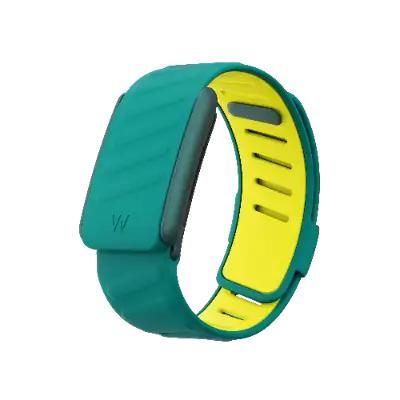
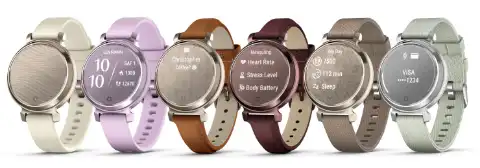
Whoop and Garmin target different users: Whoop is built for recovery-aware training without GPS; Garmin is built for GPS-tracked workouts with health monitoring. We compare both for women who train regularly.
| Feature | Whoop 4.0 | Garmin Lily 2 | Garmin Forerunner 265S |
|---|---|---|---|
| GPS | No | Connected GPS | Multi-band built-in |
| Battery life | 4–5 days | 5 days | 13 days |
| Recovery coaching | Strain + Recovery % | Body Battery | Body Battery + Training Status |
| HRV | Detailed nightly | Yes | Yes |
| Subscription | $30/month | None | None |
| Design | Sporty band | Jewellery-like | Sport watch |
Whoop's strain + recovery system is more sophisticated than Garmin's Body Battery for athletes training with variable intensity. Strain quantifies cardiovascular load (0–21); Recovery % integrates sleep, HRV, and resting heart rate into explicit daily recommendations. Garmin's Body Battery is simpler but useful — less granular for serious training planning.
Whoop has no GPS. For outdoor running, cycling, or any distance sport — a Garmin watch is the clear choice. Lily 2 uses connected GPS (requires phone); Forerunner 265S has built-in multi-band GPS for standalone tracking.
Whoop: $360/year ongoing. Garmin Lily 2: $249 once, no subscription. Over three years: Whoop ~$1,080 vs Garmin $249. The cost difference is decisive for users who don't heavily use Whoop's athlete-specific strain coaching.
Choose Whoop if you train 4–6 days/week and want strain coaching. Choose Garmin Lily 2 for elegant everyday fitness with no subscription. Choose Garmin Forerunner if you run or cycle seriously and need GPS.
Both devices track sleep stages, but with different emphases. Whoop's sleep tracking is tightly integrated with its Recovery %: sleep duration, efficiency, and stage quality all feed into the morning Recovery score. The Sleep Coach feature recommends a bedtime based on accumulated sleep debt across multiple nights — a feature athletes find particularly useful during training blocks where recovery windows are short.
Garmin Lily 2 and Forerunner models track light, deep, and REM sleep stages, reporting a sleep score in Garmin Connect. The data is solid and actionable for the price. Body Battery integrates sleep quality with the daytime energy metric — so poor sleep shows directly as lower energy reserves the following day. Neither Garmin device matches Whoop's depth of sleep-to-recovery integration, but both provide meaningfully useful nightly data without any subscription cost.
Garmin Connect includes a menstrual cycle logging feature that tracks period dates and predicts phases based on logged cycle length. The Lily 2 doesn't have a temperature sensor, so tracking is calendar and symptom-based. Garmin also surfaces cycle phase information alongside workout recommendations in the app — flagging how different cycle phases typically affect energy, endurance, and recovery.
Whoop added basic menstrual cycle logging in recent app updates, including period tracking and symptom logging. Whoop does not have a temperature sensor either, and cycle features are less developed than Garmin's integration. For serious cycle tracking, Oura Ring 4 with its dedicated temperature sensor remains the better platform in this category over both options here.
Whoop makes most sense for women who: train 4–6 days per week with varied intensity, want to actively manage training load and prevent overtraining, find the screenless form factor appealing, and are willing to commit $360/year for the coaching system. The value proposition is clearest for competitive athletes, CrossFit members, and anyone who's experienced burnout from overtraining and wants data-driven guardrails.
Garmin Lily 2 is the better fit for women who: want an elegant everyday watch that doesn't look like a fitness tracker, exercise moderately (2–4 days per week), want no ongoing subscription costs, and value style and battery life equally alongside health data. The Forerunner series suits serious runners and cyclists who need GPS and training coaching without the Whoop subscription model.